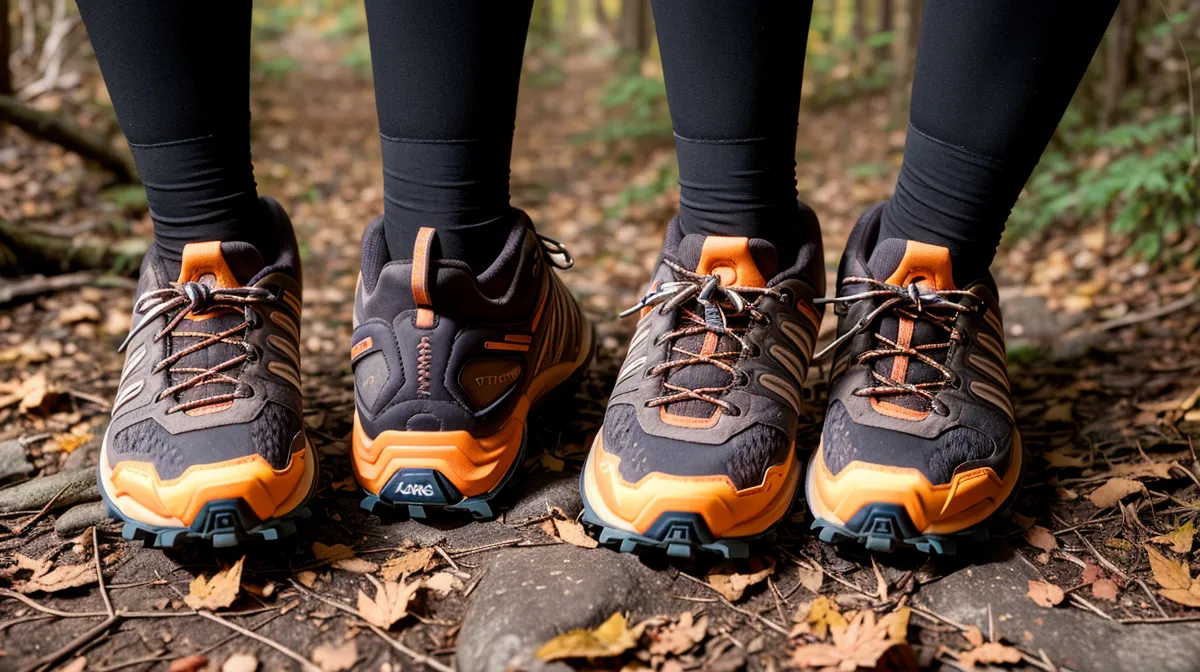
The real problem on a trail at World's End usually isn't your fitness at all. Hikers over fifty who catch me re-tying my laces at the trailhead always turn joint mobility into a strength question, like three more months of squats would make the ache disappear. That's not how this works, and the actual answer surprises almost everyone who asks it.
Here's my actual answer: most people treat movement and joint support like two separate hobbies, expecting one or the other to fix everything by itself. It almost never works that way. Think of it like planning a hike — you don't check only the trail map or only the weather, you check both before you commit to the route. Supplements and movement work the same way, pulling in the same direction instead of substituting for each other.
Quick disclosure before we go further: some of the links ahead are affiliate links, and I earn a small commission if you buy through them, at no extra cost to you. I only mention things that have actually crossed my own kitchen counter or laced onto my own feet. None of this replaces an actual conversation with your doctor or physical therapist, especially if something in your joints feels new or alarming.
A standing desk was my first attempt at fixing this, built on the theory that less sitting would mean a looser hip. It sat in the corner of the living room looking responsible and doing absolutely nothing for my joints. Nothing at all. Two years into treating this like an actual maintenance project instead of a mystery, I've learned the real pivot wasn't a product, it was finally getting past that furious, bargaining stretch right after the pain started, and treating the whole thing as something to manage rather than mourn.
Is the Clicking in My Hip Something I Should Worry About?
This is the question I hear most, usually from someone wincing at a trailhead while they tie their laces. On its own, clicking or popping doesn't tell you much — plenty of joints make noise with no real damage behind it. What actually matters is whether that sound travels with pain, swelling, or a joint that suddenly won't hold your weight the way it used to. None of that showing up means the clicking is just an annoying soundtrack, and I keep walking. Any of it showing up means a doctor, not a trail blog, gets the next question.
Supplements Can't Fix a Desk-Bound Hip
Plenty of people want a single pill to undo a sitting problem, and that wish makes sense — a bottle feels easier than a habit. But a hip that spends eight or nine hours a day folded into a desk chair gets tight in ways no capsule alone unlocks. Movement has to come first, and support comes second, feeding whatever that movement is already doing. Anyone hunting for one single answer, pill or exercise, is asking the wrong question — it's both, in that order.
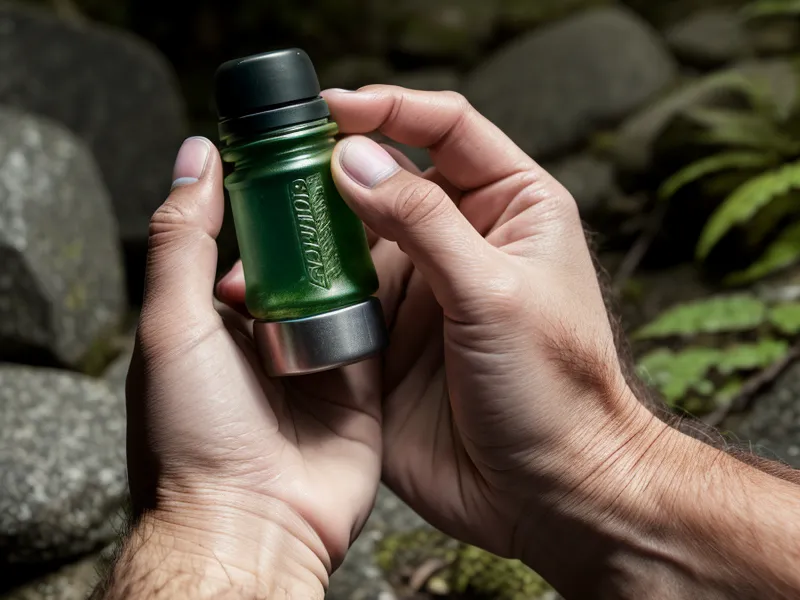
The Lubrication Question: What a Joint Supplement Actually Changed
Synovial fluid is the piece people ask about more than almost anything else once they hear I take something for it, and Joint Genesis is built specifically around that lubrication angle rather than rebuilding structure. One capsule with my morning coffee, and that's the entire routine — no shakes, no timers, nothing complicated.
The clearest proof showed up on an ordinary morning at the kitchen counter. Coffee in one hand, waiting on the kettle — and I noticed I'd been standing flat on both feet for a solid stretch without rocking my weight from hip to hip the way I always used to. Nobody pointed it out. Just noticed it myself, out of nowhere, and couldn't stop noticing it the rest of the day.
It isn't fast, and it isn't flashy — like most joint supplements, this one builds slowly instead of delivering overnight relief, so anyone expecting instant results will be let down. It's also formulated without gluten, dairy, or shellfish, which matters if you're already juggling food sensitivities. The catch is real: you won't find it on a pharmacy shelf, you have to order it directly, and a single bottle costs noticeably more than committing to one of the bundle options. If that lubrication angle sounds like the piece you're missing, you can read more about Joint Genesis here.
What About the Classic Glucosamine and Chondroitin Route?
A lot of people ask why I don't just stick with the basics, and JointVive is the answer to that question. It's built on glucosamine and chondroitin, still the most studied names in this space even though the research results are mixed depending on which study you pull up. It adds turmeric into the mix too, which plenty of hikers like for the inflammation that shows up after a more active-than-usual day. I used this one before I ever tried the lubrication route, and it's a perfectly reasonable place to start if the structural, foundational angle makes more sense to you than chasing fluid quality.
The tradeoff is multiple capsules a day instead of one, and it contains shellfish, which rules it out if you've got that allergy. Even so, I still think easing toward lower-impact trails and gear matters more long-term than which bottle of capsules you choose, though the right internal support doesn't hurt either. You can find JointVive here if the traditional route fits you better.
Strengthening Knees Without Loading Them
Supplements were never going to be the whole answer on their own. Heavy squats and lunges used to be my idea of leg day, and they left my kneecaps furious every single time. Ageless Knees reframed that completely — it's a program built around strengthening the muscles around a joint without grinding the joint itself, and that distinction changed how I train for good.
It's what got me back to regular trail walks without dreading the first mile. The program lives entirely online, which is great if you're self-motivated and mildly frustrating if you need someone standing over you with a stopwatch, and it only targets knees, so it won't do much for a cranky hip or shoulder. If building strength without pounding pavement sounds like your missing piece, Ageless Knees is worth a look.

Trekking Poles, Boots, and the Gear Questions I Get Most
Look, gear questions come up almost as often as supplement ones, usually some version of whether poles are worth the hassle. My honest answer is that I don't fully know, because my Saturday-morning hiking partner, Maureen, refuses to touch a trekking pole on principle and has never once explained why, and she's doing just fine without them. What I will say is that poles shift some of the load away from your knees on a downhill stretch, so if descents are the painful part of your hike, they're worth trying before you rule them out.
Boots matter just as much, maybe more. I traded my heavy leather pair for lighter trail runners, and the difference in how my hips felt by the end of a loop was bigger than I expected. Cushioning fades long before a shoe looks worn out, which is easy to forget until your joints remind you.
What Other Hikers at World's End Keep Asking Me
Kathleen, from my Wednesday-night walking group, asked me something last week that I still think about: whether any of this matters if you still feel fine on the easy stuff. She shows up to every walk with homemade granola bars whether anyone asked for them or not, and she's sharper than she gives herself credit for, because the honest answer is yes — the easy walks are exactly when the habit should start, before a steeper trail forces the issue.
Morning stiffness is real for nearly everyone in that group, and most of us move easier once the day has warmed up, which is worth knowing if you have any flexibility in when you schedule a hike. None of this is about tracking every twinge like a project. It's about active aging that actually holds up — building a routine sturdy enough that a trail like World's End stays a regular part of your week instead of something you used to do.
So, back to that opening question — the real problem usually isn't fitness. It's the lack of a plan that treats movement and support as partners instead of picking just one. Start with whichever piece feels unaddressed: if your joints feel dry and achy more than weak, the lubrication angle is worth testing first, and you can grab Joint Genesis right here and see if it gives some of that ease back on the trail. If you're more of a structure-and-strength person, start with glucosamine and chondroitin or the exercise route instead. Don't let stiff joints talk you into the easy chair before you've actually tried something — there's still a trail out there with your name on it.
| Product | Rating | |
|---|---|---|
| Joint Genesis Top Pick for Mobility | 9.2 | Read More → |
| JointVive | 8.5 | Read More → |
| Ageless Knees | 8.1 | Read More → |
Joint Genesis
Pros
- ▸ Targets the synovial fluid which is the real 'lubricant' we lose as we age
- ▸ Just one capsule a day makes it incredibly easy to stick with
- ▸ Free from common allergens like gluten, dairy, and shellfish
- ▸ Noticeable difference in morning stiffness after about a month
Cons
- − Only available online so you have to plan ahead for shipping
- − Can be a bit of an investment if you don't buy the multi-bottle bundles