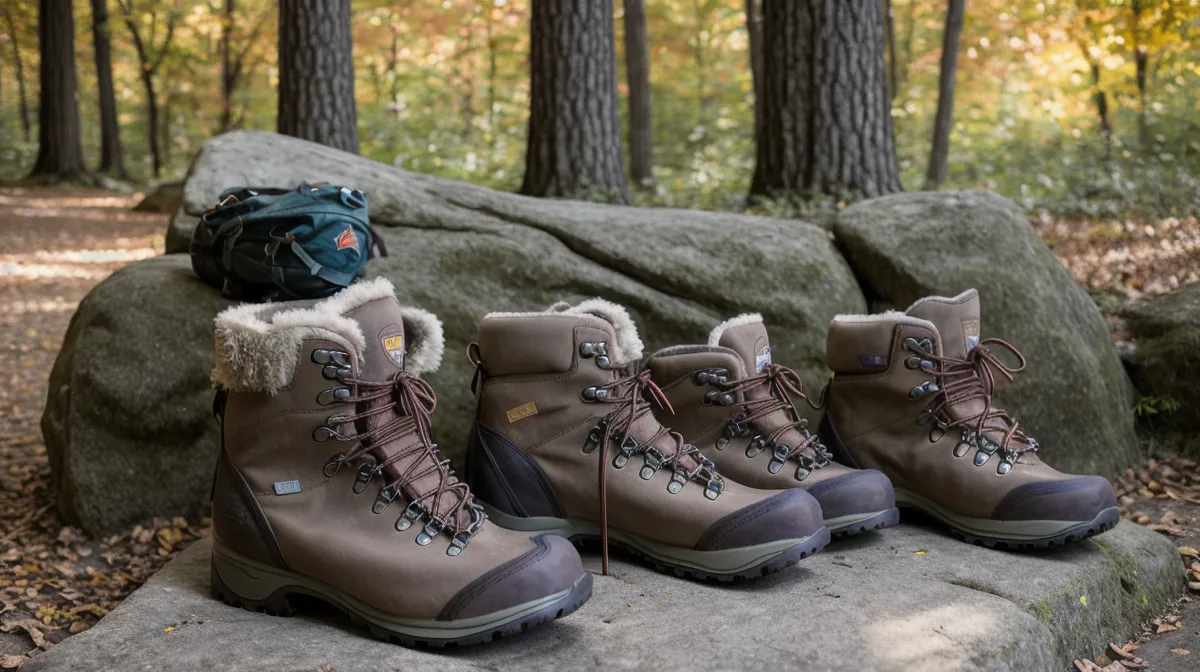
The hip belt of my pack cinches down cold over my fleece before my hands have even warmed up, and by the second switchback on Skyline Trail, my hips are already doing that thing again — stiff, resistant, grinding like an old hinge nobody's bothered to oil. Twenty years on this same stretch of trail, and this complaint is new: something that shows up before I've gone a quarter mile. Not the good kind of tired. Something closer to a mechanical protest, and it's what got me paying real attention to what joint mobility actually means once you're past fifty.
Quick housekeeping before anything else: this post contains affiliate links, and if you buy something through one, I earn a small commission at no extra cost to you. I only bring up gear and supplements that actually earned a permanent spot in my own routine, after plenty of stuff that didn't. Full disclosure is available if you want the details.
The Story We Tell Ourselves About Stiff Joints
Here's the myth I bought into for months: stiffness after fifty just means the joints are grinding down from all those years of use, and the only real options are push through it or hang up the boots. That story runs through hiking forums and locker rooms alike — stay tough, don't let a little stiffness turn you into someone who only makes it from the car to the couch. Skyline Trail was where I tested that theory every weekend, watching the reservation change color through the seasons, and for a while I just assumed my knees were paying the toll for the mileage.
A friend from the office put the first hole in that theory. She has rheumatoid arthritis and still gets out on the tennis court twice a week, and watching how carefully she manages flare days taught me something the generic advice skips entirely — pushing through isn't a universal fix. For her, hard impact on the wrong day can set off a reaction that has nothing to do with simple mileage. One-size-fits-all advice built around a single kind of joint problem falls apart fast once you see how many different things can cause the exact same ache.
Does 'Push Through It' Advice Actually Hold Up?
Not for every joint, and not for every cause of stiffness. I went looking for something that would fix the morning grind directly. Foam rolling was the first thing I tried. Every fitness blog and half my hiking friends swore by it, so I rolled out my IT band most mornings, wincing through it like it was doing something. It didn't touch the specific stiffness that showed up before I'd even laced up. I also spent a stretch on glucosamine, the classic joint-support ingredient, and while it took the edge off the general ache in my knees, the mornings were still rough. Neither one was addressing what was actually happening inside the joint.
That frustration is its own separate story — I've written elsewhere about the shift from being angry at my body to actually working with it, and the short version is that adapting beats quitting every time, even when adapting is the harder option. But frustration doesn't fix stiff mornings. What actually helped was figuring out which kind of problem I had.
What the Fluid Has to Do With It
There's a difference between cartilage actually thinning and a joint simply running low on the fluid that's supposed to keep it gliding — the fluid inside the joint capsule is called synovial fluid, and mine, it turned out, leaned toward the second problem rather than the first. I'm not going to pretend I understand the full biology of it. What I noticed practically was that the classic advice — stretch more, rest through it, push harder — was aimed at the wrong target for what I actually had going on.
Bringing In Something Built for the Lubrication Side
Once I understood the actual target, I looked at Joint Genesis instead of reaching for more of the same. What made it different wasn't a flashy promise — it's one capsule in the morning, easy enough to fold into an already full routine, and it's built specifically to support the joint's own lubrication rather than throwing more generic ingredients at the problem. It isn't cheap, and it isn't an overnight fix either — the effect builds slowly enough that you need real patience, a couple of months at least, before you can honestly judge whether it's working. I paired that with some better dynamic warm-up exercises before I even touch my boots, since standing around hoping the stiffness fades on its own turned out to be a worse strategy than actually moving through a proper warm-up first.
Look, the pill route isn't for everyone. Ageless Knees skips supplements entirely and leans on an exercise-based program instead, which suits anyone who'd rather strengthen their way through this. I also kept JointVive in the cabinet as a backup option, since it still carries that classic glucosamine and chondroitin combination plus turmeric, useful on days when things feel more inflamed than usual. Different tools for different mornings, basically.

Testing the Difference on the Trail
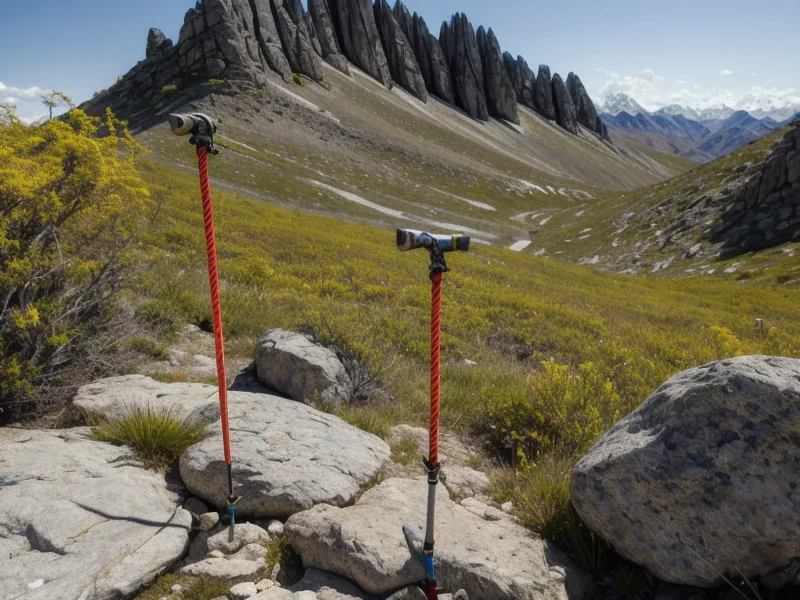
The real test came on a return trip up Skyline Trail, tackling the stretch toward the summit that always used to announce itself in my knees on the way down. This time the descent didn't leave me favoring one leg or gripping every root for balance. I used trekking poles to take the strain off the downhill, shifting some of that impact into my arms and shoulders instead of letting my knees absorb all of it — a trick I wish I'd picked up years earlier. It wasn't about being stronger. It was about being smoother, moving like the machinery was actually lubricated instead of grinding.
The Moment I Actually Noticed
Somewhere in there I reached into the glovebox out of pure habit, hunting for the ibuprofen I always kept close after a hike, and found the bottle wedged exactly where I'd left it, cap dusty, seal untouched, longer than I could actually place. That's a strange thing to notice in a parking lot, and it told me more than any number on a chart could have.
Real Hiking Tips for Mornings Like That
If I had to boil this down to one rule, it's this: notice whether your stiffness eases as you move or gets worse the longer you're on your feet. Stiffness that loosens up ten or fifteen minutes into a hike is a very different animal than pain that doesn't budge or actually sharpens with movement — the first usually responds to warm-up and support for the joint's own lubrication, the second needs an actual conversation with a doctor, not a supplement aisle. Sitting at a desk all week and then expecting your joints to switch straight to trail mode on a Saturday is asking a lot of them too; easing into movement matters as much as what you take.
What Actually Stuck
Some of what I tried got quietly dropped. The foam roller lives in a closet now, mostly forgotten. What stayed is simpler: proper warm-ups before I lace up, trekking poles on the downhills, and Joint Genesis every morning as part of that same routine. Not because it's magic, but because it addresses the specific problem I actually had instead of the problem everyone assumes you have.
Does the Joint Fluid Angle Really Make a Difference?
In my experience, yes, though I'd frame it as one piece rather than the whole answer. Think of it like an engine that's low on oil rather than one with worn-out pistons — the parts might be fine, but the friction alone will make everything feel harder than it should. Once I stopped assuming every ache meant damage and started treating some of it as a lubrication problem, the day-to-day friction of walking eased up noticeably.
What About High-Inflammation Joints Like Rheumatoid Arthritis?
This is exactly where the one-size-fits-all advice breaks down. If you're dealing with something systemic, high-impact movement on the wrong day can do real harm, and pushing through it is dangerous advice dressed up as toughness. Low-load movement and supporting the joint environment itself tend to be the gentler path, but that's a conversation for your own doctor or rheumatologist, not a hiking blog.
Is It Worth Trying Again After Something Already Failed You?
I tried and failed with plenty of things before this — the foam roller, the glucosamine-only approach, standing around stretching and hoping. The reason Joint Genesis [My Daily Pick] stuck where those didn't is that it actually addressed the piece I'd been ignoring. If you've only ever tried the standard stuff, you're seeing half the picture. The lubrication side is often the part that gets skipped.
None of this makes me eighteen again, and there are still mornings when my hips announce themselves before I'm out of the driveway. Those mornings are the exception now, not the rule. If you're standing in your own mudroom, boots in hand, wondering whether your stiffness is really just mileage catching up with you, it might be worth asking a different question first — and you can see what worked for me right here.