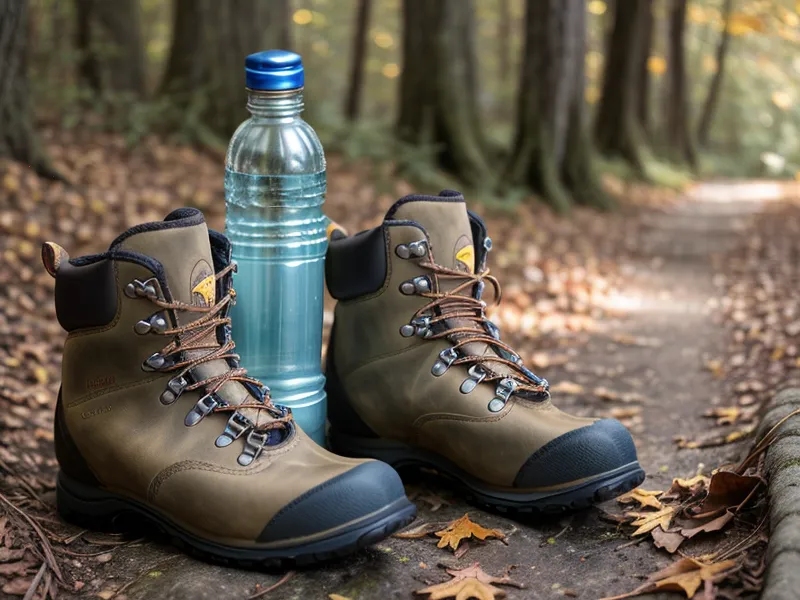
There's a bottle of ibuprofen in my glovebox that hasn't been touched in a good while. It used to be the first thing I reached for at the end of a hike, back when my knees made themselves known before I'd even reached the trailhead sign. Somewhere in the middle of chasing better joint health, active aging stopped feeling like a demotion. Mobility after 50 turned into something I plan around instead of apologize for.
Quick note before anything else: some links below are affiliate ones, so I earn a small commission if you buy through them, at no extra cost to you. I only bring up things that have actually earned a place in my own routine. None of this is medical advice — I'm not a doctor, just a woman who refuses to give up her trails, so run any changes past your own doctor first.
Why Do Easy Trails Suddenly Feel Twice as Long?
Readers ask me some version of this every week, usually right after a hike that wrecked them more than it should have. Skyline Trail used to take me a couple of hours. These days it takes longer, and for a long stretch I treated that gap as proof something was broken.
Sitting at a desk five days a week doesn't help. A body that spends its weekdays in a chair arrives at the trailhead already behind, and that gap is bigger than most people admit. Slower isn't the same as broken, though it took me an embarrassingly long time to separate the two. What changed is how I measure the day, not against the woman I was at thirty, but against whether I finish a loop on my own terms.
What's Actually Going On Inside a Stiff Joint
I'm not going to pretend I can explain the mechanics of it, because that's not my job and it's not why anyone's here. The short version, without getting into layers or numbers I'm not qualified to hand out: the fluid that cushions a joint doesn't move the way it used to. That's a different problem than the cartilage itself wearing down. Lumping the two together is how a lot of people chase the wrong fix.
Plenty has been written about synovial fluid already, more than I need to repeat here. What I pay attention to instead is what happens on the trail itself: that gravel feeling at the base of a climb, the stiffness that eases once I've been moving a while.
What Joint Health Support Actually Changed in My Cabinet
People assume I've got a cabinet full of bottles, and for a while that was true. I used to rotate through glucosamine and chondroitin, the combination most people reach for first, four capsules at a time. It felt like a chore more than a routine.
Somewhere in there I also tried turmeric on its own, just the supplement by itself, hoping the anti-inflammatory reputation would do something noticeable. It didn't, or at least not in any way I could point to and call a difference. Supplements were never going to replace actual movement. At best they support what the trail work is already doing, not stand in for it.
These days my cabinet is simpler. I use Joint Genesis [My Daily Pick] because it's built around that same joint-lubrication question, and it's one capsule instead of a handful, which matters more than I expected on a rushed morning. If the classic combination worked for you before, JointVive [Classic Approach] pairs turmeric alongside glucosamine and chondroitin the traditional way. Just expect more capsules a day than I'm willing to deal with now.
Trading Steep Ridges for Flatter Loops
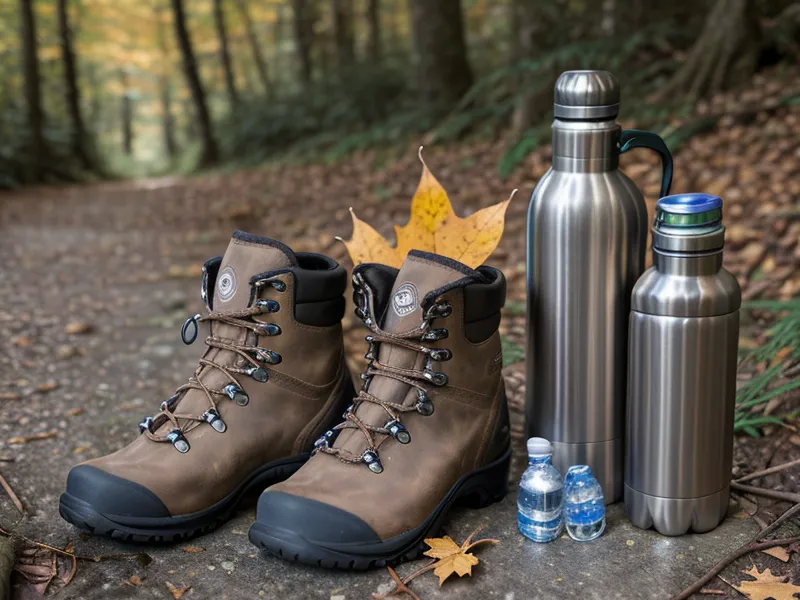
Look, gear became part of the answer too, more than I expected. My budget for active aging shifted toward better shoes and real support instead of new camping toys. That reallocation did more for my knees than any single supplement.
Beverly Strout, who works the shoe wall at my local REI, is the reason I know which pairs run narrow in the toe box before I ever try one on. A five-minute conversation with her has saved me more than one bad purchase.
Trekking poles made a bigger difference than I expected, too. My neighbor Tom Maguire borrowed my spare pair for one descent on Skyline Trail. He came back a convert, poles of his own in hand within the week. They redistribute some of the load off your knees with every step, which is a mechanical fact more than a placebo one.
None of this fixed anything. It just changed where the effort goes. I wrote more about how the trail didn't get steeper, I just had to change my map, and that shift in framing did more for my head than any single piece of gear.
So Did I Just Give Up on the Hard Trails?
No, and that question misses what actually shifted. I still hike, still plan routes, still get outside most weekends. I just stopped grading the day against a version of myself that isn't walking these trails anymore.
The real answer, if you want something useful: check your joints the way you'd check the weather before a trail, not after ignoring them all season. Don't wait for a flare-up to decide movement matters.
Strength work without heavy loads has done more for my knees lately than any single stretch routine. Low-impact doesn't mean low-effort. It means choosing movement that builds the joint up instead of punishing it on the way down.
What I recommend to anyone standing where I was is simple: keep the supplement conversation separate from the movement conversation. They solve different problems. Don't let one rough trail day turn into a verdict on the rest of your life.
If you want a straightforward way to support your joints while you sort out the rest, Joint Genesis has been the steadiest part of my own routine. It's worth a look before you write off supplements altogether. Whatever you land on, keep showing up at the trailhead. Skyline Trail will still be there, even on the days your knees vote against it.