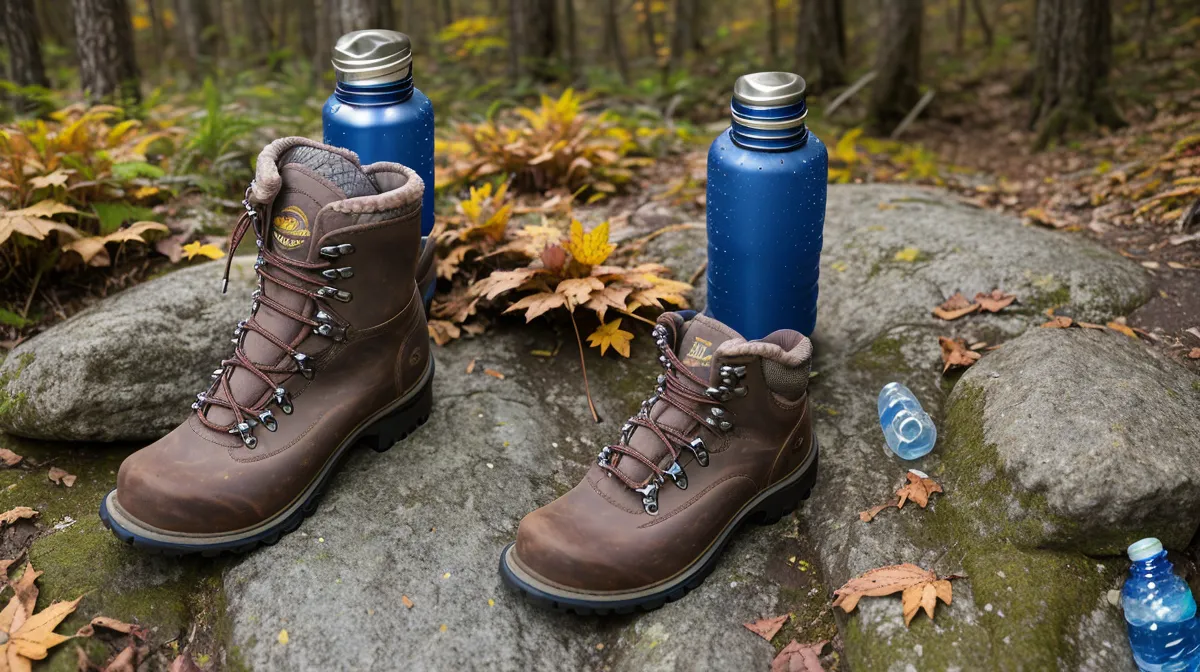
Twenty years of steep New England trail miles never made my knees blink. These days, a flat stretch of sidewalk sometimes argues with them instead. That gap — between what used to be hard and what turned hard without warning — is where most of the questions I get about knee mobility and active aging after 50 actually start, and it's the same gap behind almost every message asking whether joint health after 50 has to mean trading hiking longevity for a quieter kind of weekend. It doesn't have to. But it took a full year of guessing wrong before I started guessing right, and these are the questions people keep asking me about that year.
Quick housekeeping before the questions start: some of the links ahead are affiliate links, meaning I earn a small commission if you buy through them, at no extra cost to you. Everything mentioned is something I actually bought and used. None of this is medical advice — I'm an office manager, not a clinician, so run any new routine past your own doctor before you start it.
Does Walking More Actually Fix Achy Knees?
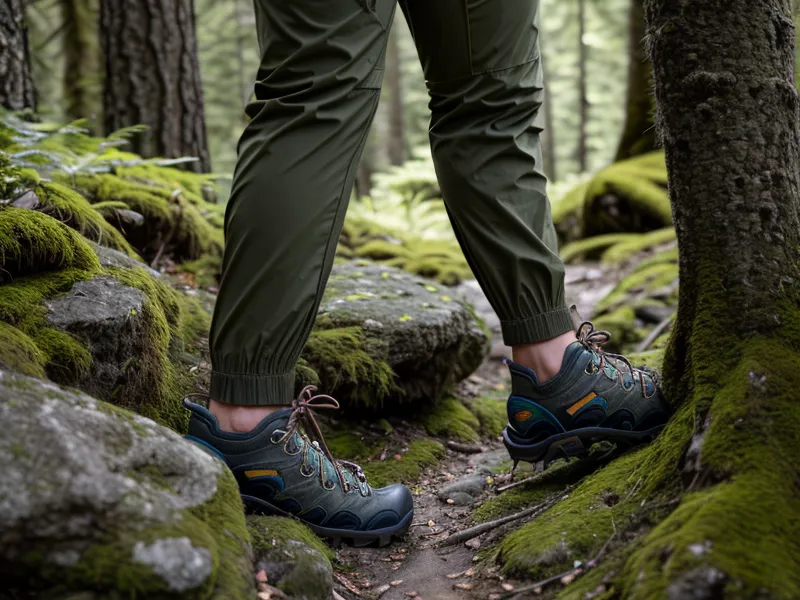
Short answer, no. Not by itself. The advice I heard most often early on was to keep moving and just take it easier, so that's what I tried: more walking, a slower pace, the same loop stretched thinner. Nothing loosened up. If anything, that sticky, catching feeling in both knees got worse, because doing more of the same motion doesn't retrain a joint that's stiff for a completely different reason.
Some of my early frustration was pretty general — plenty of Boston-area reservation trail systems have that rocky, technical footing that turns a simple walk into a real knee test. Underneath that is a structural reason "just walk more" doesn't fully work: a knee joint has more going on than a single hinge, and stiffness in one part of it doesn't necessarily respond to volume the way sore muscles do.
If you want a program built around retraining the joint itself instead of just logging more steps, that's worth reading on its own: Best Way to Strengthen Knees at Home Without Using Heavy Weights.
What Hasn't Worked for My Knee Mobility
Cortisone came before any of the supplements or programs below. A doctor gave me one shot directly in the knee during a bad stretch, and for a while it genuinely helped. Then it stopped, and the ache came back like the shot had never happened. That's not a knock on cortisone as a tool. It just taught me not to expect a single injection to solve something that clearly needed ongoing attention instead of a one-time fix.
That single-fix instinct shows up everywhere, honestly, not just with a needle. Years of a desk job keep your hips locked into the same folded position for most of the day, and no supplement undoes that on its own — it's a habit problem as much as a joint problem, which is really its own topic.
Supplements Versus Movement
Neither one works alone, in my experience, and JointVive was the first thing I tried once I decided supplements were worth a real trial. JointVive leans on the classic glucosamine and chondroitin combination, with turmeric mixed in for extra support on days when everything already aches — the kind of formula anyone who's browsed a supplement aisle will recognize immediately. The research on glucosamine really depends on which study you read, so I don't treat it as a sure thing, more as one piece of a bigger routine. It also means more capsules to keep track of, and it's not an option if shellfish is a problem for you.
Joint Genesis came next, and it's the one that actually stuck. Joint Genesis is framed around synovial fluid — the fluid inside the joint that keeps things gliding and naturally thins out as we get older — rather than around rebuilding cartilage the way a lot of joint supplements claim to. That distinction between lubrication and construction is worth understanding properly, and I went much deeper into it in its own piece: Is Joint Genesis the Best Option for Thinning Cartilage Issues?. One capsule in the morning is the whole routine — no measuring, nothing to remember by lunchtime — though it's on the pricier side, and it took real patience before I noticed anything different.
Is Eccentric Loading Really Different From a Regular Walk?
Yes, and this is the piece that actually changed how my knees felt. Ageless Knees is a no-pill, exercise-based program built around training the slow, braking part of a downhill step, which is a different kind of muscle work than simply adding more walking to your week.

The Ageless Knees sequence didn't need a gym membership or any heavy weights — just consistent, deliberate reps aimed at the muscles doing the actual bracing on a descent. It only targets the knees specifically, so it won't help a stiff hip or shoulder, and it's entirely digital, which means you need enough motivation to follow along without someone standing over you. For me, that trade-off was worth it, because it was the first thing that made a downhill stretch feel secure again instead of something to brace for.
Stacking the Products Up Side by Side
Between a supplement built around fluid, one built around construction, and a movement program built around the muscles doing the bracing, it's easier to see them side by side than scattered across a few thousand words of explanation.
Comparison of My Go-To Supports
| Product | My Primary Use | Best For... |
|---|---|---|
| Ageless Knees | Daily movement routine | Strengthening the 'brakes' and stabilizing the joint structure. |
| Joint Genesis | Morning supplement | Restoring that 'oiled' feeling by supporting synovial fluid. |
| JointVive | Active-day support | Traditional cartilage support with an anti-inflammatory kick. |
Movement mattered more than either supplement in my case, if I'm being direct about it — a supplement supports a joint that's already moving well, but it doesn't teach a stiff one how to move well in the first place.
Trekking Poles, Shoes, and the Rest of the Gear
My neighbor Tom Maguire is proof that gear alone can change a descent. Tom borrowed a spare set of my trekking poles for one loop, mostly to humor me, and came back having bought his own pair within the week — he's that kind of convert once something actually works for him. Poles do something specific mechanically: they shift part of the load off your knees and onto your arms and shoulders with every downhill step, which is a bigger deal than most people expect from two sticks.
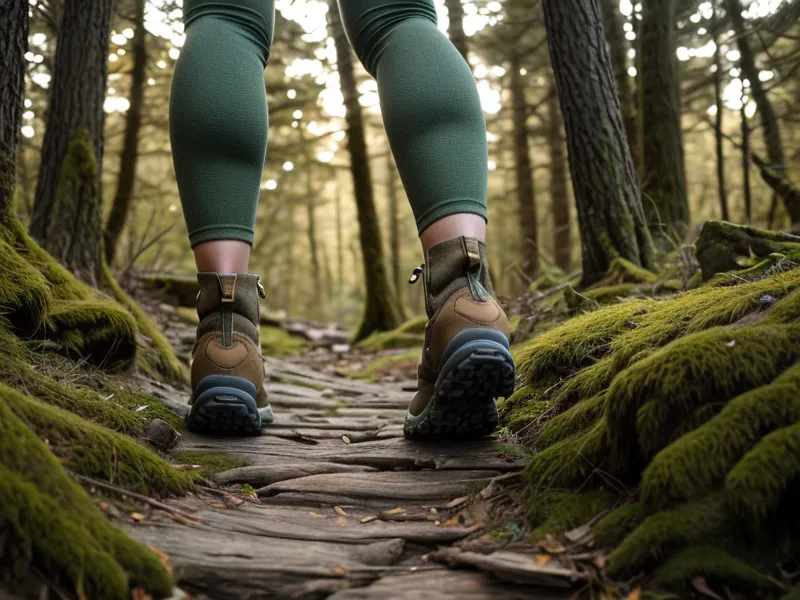
Shoes matter just as much, and this is where my friend Beverly Strout usually knows more than I do — she works the shoe wall at REI part time and can tell you exactly which trail shoe models run narrow in the toe box before you've even tried them on. Cushioning fades with mileage long before the tread does, which is worth checking on anything you've owned for more than a season.
You Don't Have to Change Everything at Once
Diet quietly adds to the load too, and that surprised me more than almost anything else. Certain foods seem to turn up the background inflammation that makes a joint feel angrier than the day's mileage should explain, though I'd rather not pretend to be more precise about that than I actually am. A quick stretch before bed helps too, mostly by waking up the muscles around the hip and knee that spend all day doing nothing, which is a different job than the flexibility work most people picture when they hear "stretching."
None of this requires abandoning low-impact days when a joint is having a bad week — you can still load a joint without pounding it, through resistance bands or slow bodyweight work, and that's a completely different category from resting entirely.
How Do You Know It's Actually Working?
For me, it wasn't one dramatic hike that proved it. It was an ordinary morning that didn't announce itself at all. I stood up from my desk chair on a plain weekday and realized halfway through the motion that my hip hadn't said a word — no stiffness, no bracing, nothing to work around, just standing up like it was nothing. That's a strange thing to get emotional about, but I did, a little, because for a long stretch standing up itself had been a small negotiation.
Borderland State Park is where I test that kind of thing now, more than anywhere else; it's close enough for a regular loop, and the descents are honest about whether my knees are actually doing better or just having a good day. There's a specific smell I've come to associate with a good one: that damp, green smell trail shoes pick up and still carry the next morning, sitting by the back door like proof the hike actually happened. That's become my real measure, more than any single supplement or program on its own: not whether a hike went perfectly, but whether the next morning still feels ordinary.
If your knees have started to feel less like a training partner and more like an obstacle, my honest advice is to stack a few small things instead of chasing one fix. Start with the Ageless Knees program if movement is genuinely the piece you're missing — it's the one adjustment that changed the most for me. Add Joint Genesis if your mornings need help before you've even laced up a boot. And if Ageless Knees is the only thing you try this year, that's still a reasonable place to start, because it's the piece a bottle of anything can't replace.
That doesn't make me twenty-four again, and I've stopped expecting it to. It just means the trail is still mine to walk, on my own terms, one honest descent at a time.