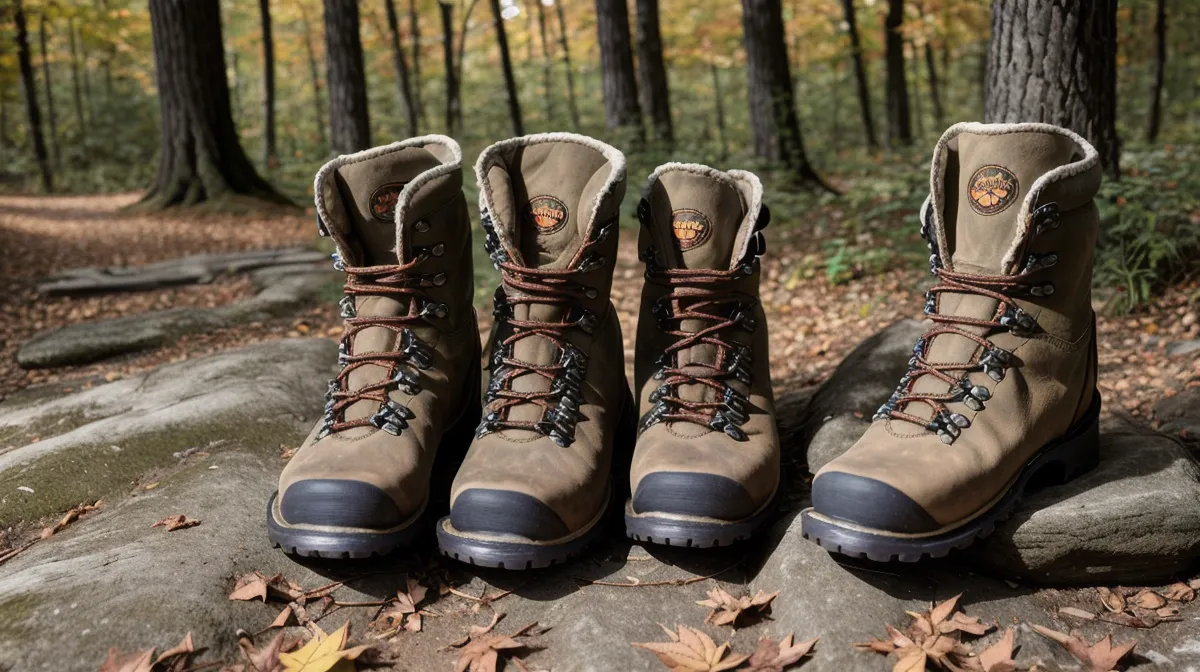
My left hip pops when I stand up from a low chair — every time, like clockwork.
That pop doesn't hurt exactly — it's just a joint giving less cushioning than it used to, one more quiet cost of hiking longevity nobody mentions upfront. A cortisone shot into that hip bought about two good weeks before the ache crept back, and that was the moment I stopped treating hiking itself as enough exercise and started building real low-impact cardio into my week for the sake of joint health. Active aging, it turns out, needs its own maintenance plan.
Descent is where it shows up worst. On a switchback at Moose Hill Wildlife Sanctuary last fall, my ankle rolled sideways on a root and I never braced for it — didn't even think to — the joint just absorbed the whole hit and kept walking. That scared me more than an actual sprain would have.
Two Roads for a Hiker Whose Joints Complain
Here's the choice I eventually landed on, and it's less obvious than it sounds. One road is cardio-only — pool laps, elliptical sessions, anything gentle that keeps the heart rate up without pounding the joints. The other road adds real resistance work on top of that cardio: squats, lunges, weighted or banded, done slowly enough that form matters more than reps. Both roads claim to protect a hiker's knees and hips. Only one of them actually does the whole job.
The Low-Impact Cardio Route: Pool Laps and Elliptical Climbs
Downhill is where hikers get in trouble, not the climb. Anyone who's spent real time hiking knows the descent asks more of a joint than the ascent ever does, and most of us don't notice until the muscles that used to absorb that load start thinning out — a process that creeps in earlier than people expect, somewhere around the age when muscle mass loss typically begins. Nobody warns you about that part.

The pool is where cardio-only starts. Water holds you up and pushes back in every direction at once, so you get resistance without a single jolt landing on cartilage — moving through it feels closer to a hug than exercise. I swim laps in a standard 25-yard lane a couple mornings a week, and the rhythm of it — that muffled underwater thump of my own heartbeat instead of the usual grinding in my hip — is the closest thing to pain-free movement I get all week. Swimming also helps the body produce and circulate synovial fluid, the natural lubricant that keeps a joint moving smoothly instead of grinding; I won't pretend to understand the biology beyond that, but I can tell you my Saturday hikes feel noticeably less creaky after two pool mornings.
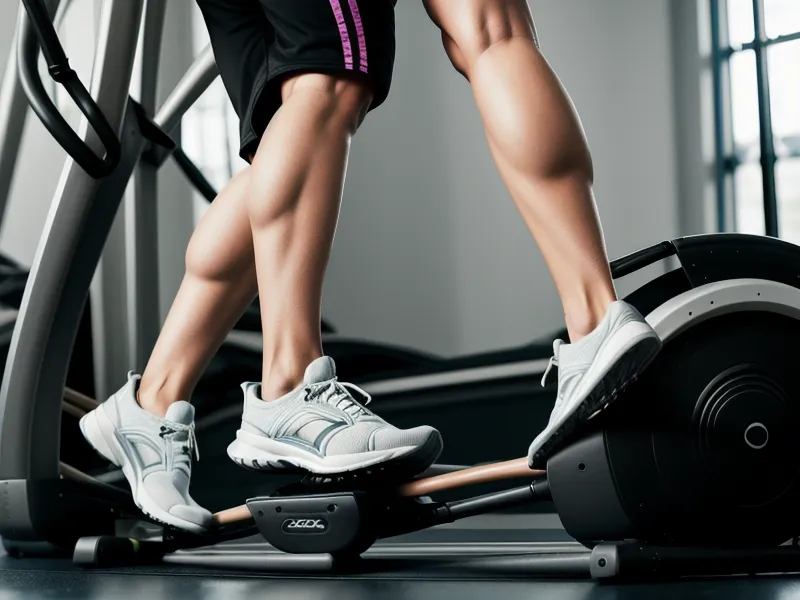
Elliptical work fills the gap on days the pool isn't practical. Setting the incline high mimics a climbing trail without my heel ever striking granite, and afterward there's a specific kind of tired in my calves — a muscles-worked tired, not a joints-complaining one. That's a different feeling entirely from how a bad hike leaves me, and it's part of what got me adapting to the trail itself, choosing shorter, steeper loops during the week instead of saving all my effort for the weekend.
Where Cardio Alone Runs Out of Road
Cardio-only sounds like the safe choice, and for a while it worked well enough that I assumed I'd found the whole answer. Eventually the pattern showed itself: joints that only ever move through gentle, supported ranges don't get any stronger at the parts of a hike that actually punish them — the awkward step down off a boulder, the moment a trail camber shifts your weight sideways. Muscle that never gets loaded starts to shrink, and a joint with weak muscle around it takes on more of the impact, not less.
A joint doesn't know the difference between a swimming pool and a hiking trail — it just responds to whatever load shows up. That's the part the cardio-only route misses. Pool laps and elliptical sessions are excellent at keeping the engine running, but they don't build the kind of muscular support that actually protects cartilage on uneven ground.
Adding Resistance Work to the Mix
The second road starts here — slow, deliberate squats and lunges, sometimes with a resistance band, sometimes with actual weight once form is solid. Quads and glutes end up doing the bracing that ankles and knees used to handle alone, which matters most exactly where hiking gets dangerous: stepping down, not climbing up. This is also where I'd say talk to your own doctor or a trainer before loading a barbell onto joints that already complain — that part isn't optional, and nothing here replaces it.
My friend Beverly, a part-time REI floor associate, won't recommend an insole to a customer without testing it on her own feet first. She's the one who talked me into treating gear the same way I now treat exercise — nothing goes into rotation on faith.
Tom, a neighbor down the street, borrowed a pair of my poles for one steep descent and came back sold — he bought his own the following week. He only wants aluminum now; carbon never feels as honest under load, he says, too springy to trust on a bad step. Trekking poles shift some of that downhill load off the knees and into the arms and shoulders instead, and the first sound of his pole tips finding a rhythm against the cold pavement of the trailhead lot was almost comedic — clumsy for a few steps, then just quiet, steady taps the rest of the way down.
Does Yoga Count as Cross-Training?
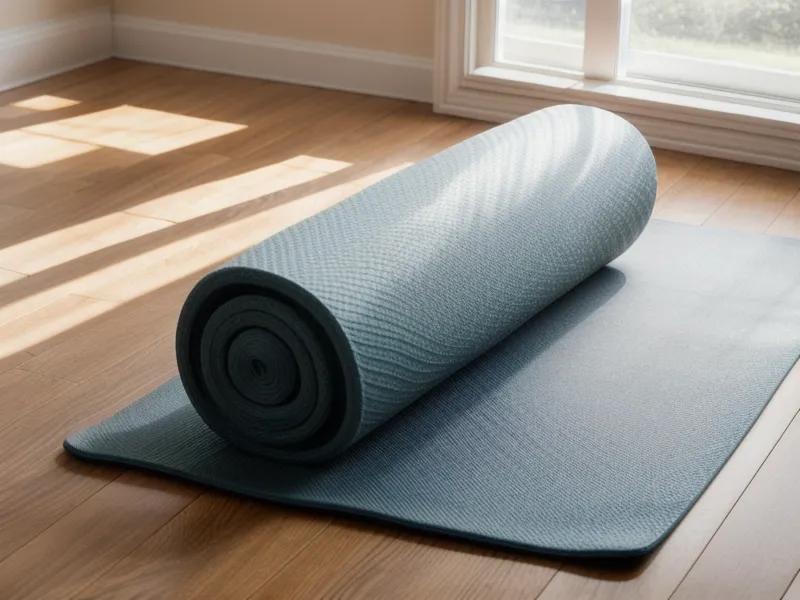
Balance is usually the first thing to slip, and neither cardio nor resistance training fixes that on its own. Yoga fills that particular gap — not the flexibility part so much as the tiny stabilizer muscles in the ankles and feet that catch a hiker when a trail camber shifts underfoot. People use flexibility and mobility interchangeably, but they're not really the same thing: one is how far a joint can stretch, the other is how well you can control that range while you're moving, and a hiker needs the second one far more than the first.
I've also written elsewhere about the supplement side of this, since it comes up constantly — my honest three-month experience with JointVive covers that ground in more detail than belongs here. Exercise is still the part I trust most, because I can tell almost immediately whether it's helping.
Which Approach Actually Wins?
Cardio-only wins when the goal is simply moving without pain — recovering from a flare-up, easing back in after time off, or protecting a joint that's actively inflamed. It's gentler, it's forgiving, and it won't ask more of a joint than that joint can currently give. Resistance-and-cardio wins everywhere else, which for most hikers past fifty is most of the year: it's what keeps a hip or knee capable of handling the actual demands of a trail instead of just tolerating a treadmill.
I think of it the way I think of meal prep — skipping one week doesn't ruin anything by itself, but skip enough weeks in a row and the whole system falls apart quietly, then all at once. My hip notices within the first mile if I've slacked on the resistance side, cardio or not. So the plan I actually stick to isn't the purest version of either road — it's cardio for the joints, resistance for the muscle around them, and yoga for the balance neither one covers. Nothing about that combination sounds impressive. It just gets me back to the view from Moose Hill most Saturdays, without the limp that used to follow me down.