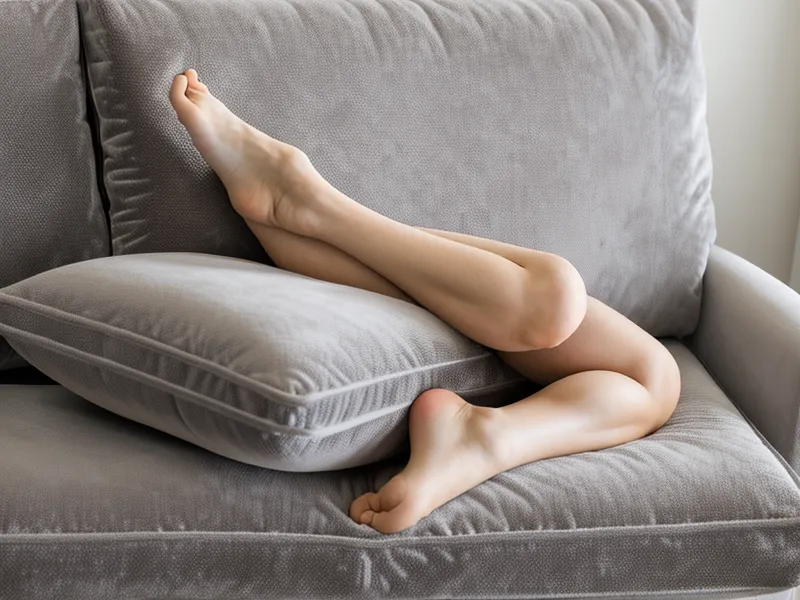
My knee is already the size of a grapefruit by the time I get both feet up on a stack of pillows, trying to get the joint higher than my heart the way I've learned works best. Four miles of rocky descent in the Blue Hills Reservation did this, the same stretch I used to treat as a throwaway warm-up back in my thirties. Joint inflammation like this used to convince me my hiking days were numbered. These days I know better — the real work of hiking recovery happens in the next twenty minutes, not at some future doctor's appointment I'm dreading.
Here's the thing about turning 54 and still wanting the trail: nobody warns you that the comeback matters more than the hike itself. Plenty of time has gone into being angry about knees that used to carry me up and down without complaint. What changed wasn't the knee. It's what happens in the hour after I get home.
My Knee Didn't Wait for Me to Get Home
The climb up felt fine — it always does. Rocky descents are where the trouble starts, and this one was no exception, each step down working the joint in a way the climb up never does. By the time I hit the parking lot, the ache had turned into a deep, specific heat under the kneecap. Driving home, I already knew what I'd find once I stood up in the driveway: a knee that had stopped looking like a knee. The synovial fluid in there had clearly decided to throw itself a party, and the skin over my kneecap felt tight enough that bending past forty-five degrees was out of the question.
Jim from two doors down caught me limping toward my own front door and had opinions, as usual — the man has never met a boot sole he didn't want to critique, lug pattern by lug pattern, and mine apparently weren't doing me any favors on wet rock. He's not wrong as often as I'd like.
Icing, Elevation, and the Parts of Recovery I Used to Skip
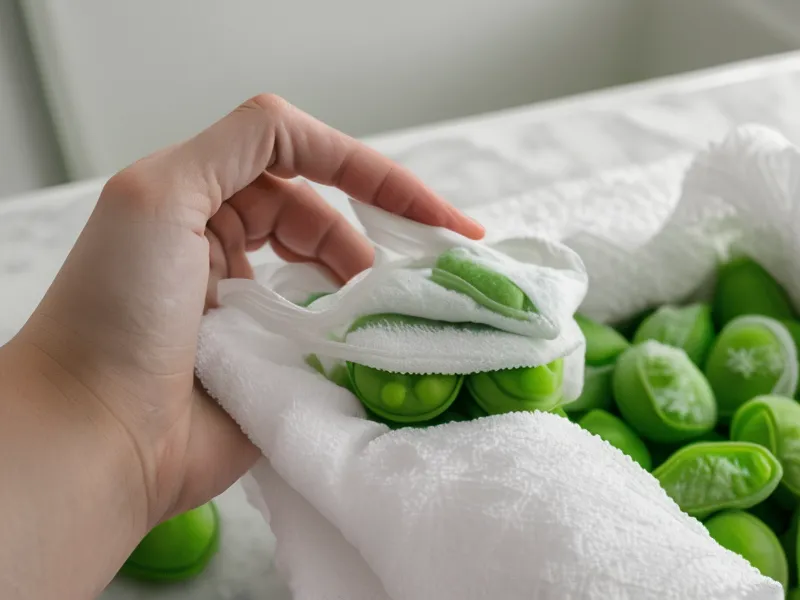
My old routine used to be popping a pill and sulking on the couch. Now there's an actual sequence. A single ibuprofen tablet takes the edge off the internal fire, though I try not to lean on it — check with your own doctor before you make that call for yourself. Then comes the ice: a bag of frozen peas through a dish towel, strictly twenty minutes on and twenty off, because any longer and I'm just numbing skin without actually helping anything underneath.
Elevation is the part I used to half-do. A footstool isn't enough — the knee needs to sit higher than the heart, which in my house means six to ten inches of pillows stacked like I'm auditioning for a Victorian fainting scene. It feels dramatic. It also works better than anything else I've tried. None of this touches on why the descent hurt more than the climb in the first place — your legs are braking your whole body weight on the way down, step after step, in a way the climb up never asks of them.
Why I Stopped Trusting Total Stillness
For a solid year, my idea of "Rest" in RICE meant don't move a muscle for five hours straight. Turns out that was probably working against me. I'm not going to pretend I understand the deep tissue mechanics of it, because I don't, and that's not my lane to teach. What I know from doing this over and over is simpler: when I sit frozen all afternoon, the next day is worse. When I keep the ankle moving, it isn't.
So now, every hour, the ice comes off and there are tiny, pain-free ankle pumps and heel slides, movements so small you'd barely notice from across the room. Think of it as the difference between a pond and a stream. Nobody wants a pond sitting in their knee. That shift is a big part of moving past the 'angry six months' and figuring out that stubborn stillness isn't the same thing as healing.
What Four Weeks Taught Me About Knee Health
Four weeks into doing it this way instead of the old ice-and-sulk routine, I went down the back steps to grab the mail and didn't think about it once — no pause, no hand out for the railing, just feet finding their own rhythm like nothing had ever been wrong there. That's the moment that told me this approach was actually doing something, not just making me feel productive.
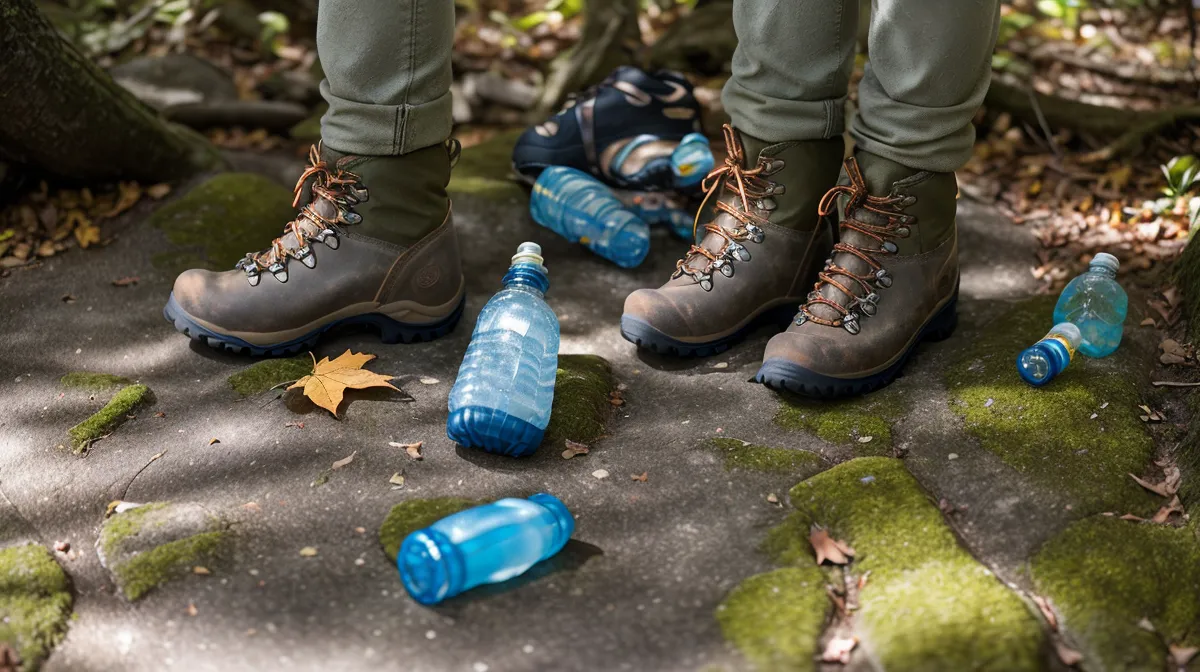
Some of that credit goes to gear, not just patience. Heavier boots mean extra swinging weight with every step, and trading my heavy leather boots for trail runners cut down on how often I end up stacking pillows at all. Most gear changes get tested on the folding card table next to my desk before they ever make it onto a trail — a pair of trail shoes has been sitting there for a week now while I decide if they're worth it. Above it, last season's Blue Hills map is still pinned to the corkboard, a cluster of sticky notes marking routes I keep meaning to shorten. Trekking poles live by the front door for exactly this reason now — they take enough load off the knee on a rough day that I stopped treating them as something only "real hikers" skip.
A reader named Elaine, who writes in from out in western Massachusetts, always ends her emails asking which trail I'm hitting next. That question used to get dodged. These days there's usually an actual answer, even if it's a shorter loop than the one that put me on the couch.
Getting Back on the Trail as an Active Aging Hiker
The swelling from that one bad descent wasn't a verdict on whether hiking stays part of my life. It was feedback — skipped mobility work before the hike, a steeper line down than necessary, boots doing work my muscles should have been doing instead. Recovery, it turns out, starts before the hike even ends, not after I'm already home massaging a grapefruit-shaped joint.
Being an active aging hiker instead of a reckless one is mostly a mental shift. Moving like I'm 25 isn't on the table anymore. Planning smarter, choosing shorter loops, using poles without caring how it looks — that's the trade. How I reclaimed my weekend hikes had less to do with fixing my knees and more to do with fixing my whole approach to the weekend.
If your knee is throbbing right now, take a breath; this isn't the end of anything. Ice it for twenty minutes, get it up above your heart, and keep that ankle moving even while you rest. Talk to a professional if the swelling won't quit or the pain turns sharp. For the ordinary "I overdid it" puffiness, a little bit of smart triage goes a long way, and there's always next weekend — shorter trail, same stubborn woman, poles in hand.