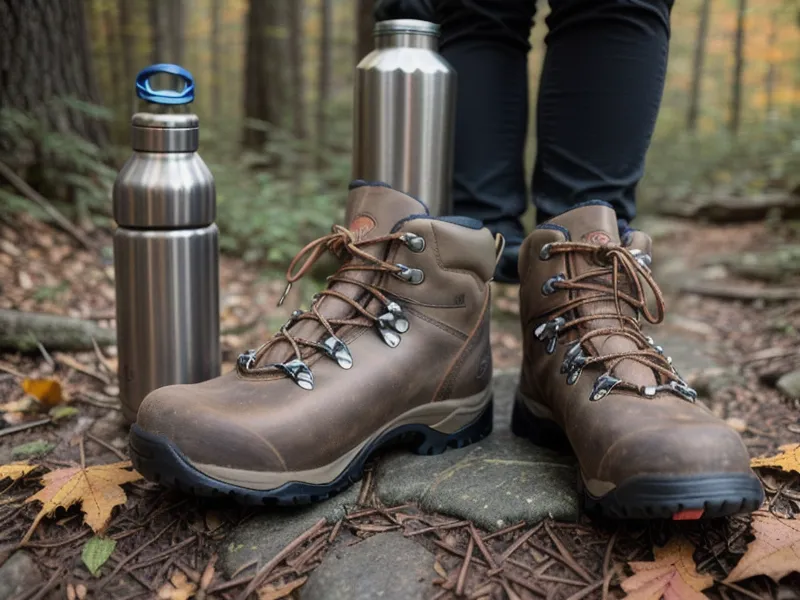
The ache in your hip after a hike often has nothing to do with how far you walked. For a long time I treated joint health after fifty as a math problem about distance: cut the miles, protect the joints. Then I looked closely at what running and walking actually do to a knee on the same stretch of ground, and the assumption behind so much active aging advice, that mobility after 50 just means doing less, stopped holding up.
Quick disclosure before the mechanics: this post has affiliate links, and I earn a small commission if you buy through one, at no extra cost to you. I only mention what I've actually used to keep moving. I'm not a doctor, just an office manager who isn't ready to trade the trail for the couch.
Here's the short version: walking and running are not the same activity wearing different shoes. They load a joint differently, and after fifty, that difference stacks up over every single step on a trail, not just the dramatic ones.
The Force Math Behind Joint Health After 50
Every step you take puts a certain amount of force through a knee or a hip — call it the load per step — and that number changes depending on whether you're walking or running. Multiply that per-step load by how many steps you take on a given outing and you get the real total your joints absorb, not just the mileage on your tracker. I go deep on how that improving knee cartilage health math actually plays out, worth reading if you want the full reasoning behind it. The short version here is enough: running multiplies that per-step force in a way walking simply doesn't, and after fifty, that multiplication is most of the story.
Is It the Miles or the Landing That Wrecks Your Knees?
Neither, really, or both, depending on the day. The bigger piece for me turned out to be internal: the fluid that cushions a joint isn't fixed, it changes character as we age, thinner and less protective than it was decades ago. That's hyaluronan doing less of its job, not cartilage vanishing overnight, and I won't pretend to be the expert on the chemistry of it. I just noticed the practical result.
The ice-pack habit I leaned on that first winter didn't touch any of this. I iced most evenings, dutifully, and the stiffness walked right back in the next morning, cold or no cold. What actually got my attention was smaller and stranger: rounding a downhill switchback at Moose Hill Wildlife Sanctuary, turning into the curve, and realizing mid-step that I hadn't braced for the impact at all. My knee just took it. No wince, no pause, nothing to brace against.
Fix the Desk-to-Trail Transition First
Before any of the lubrication piece mattered, I had to deal with what a full day at a desk does to a hip that's supposed to hike on the weekend. Sitting all day tightens things a trail immediately asks you to open back up, and I found real relief just from making specific office chair adjustments so I wasn't arriving at the trailhead already locked up. In the evenings, a specific stretch tool I lean on does something for that same stiffness that plain static stretching never did — I'll leave the mechanism to the article that actually owns that explanation. My next-door neighbor Jim Pollard, a reluctant trail walker if there ever was one, tags along on the easier loops at Moose Hill Wildlife Sanctuary most weekends, complains about every uphill without fail, and has still never once skipped a walk once it's on the calendar. If his knees can keep showing up, mine don't get to complain either.
Where a Joint Health Supplement Actually Fits
Once the desk-to-trail piece was handled, the daily habit that actually stuck was a single capsule of Joint Genesis each morning, before coffee, because anything more complicated than that doesn't survive a weekday for me. It's built around that same hyaluronan issue — nudging the joint fluid back toward doing its job instead of trying to out-cushion the problem with gear alone. It's not instant and it's not dramatic; the guarantee runs a full 180 days specifically because the people who make it know this isn't an overnight fix, and I'd rather trust that timeline than a bottle promising results by next weekend.
If supplements aren't your thing, there's a no-pill option in Ageless Knees, a straight exercise program built to strengthen the muscles around a knee instead of adding another capsule to the counter. It only addresses knees, not hips or shoulders, so it's not a universal fix, but it pairs fine alongside whatever else you're already doing.
For me, the internal fluid piece was the missing part, so Joint Genesis is still the one constant in an otherwise inconsistent routine — shoes change, trails change, that capsule doesn't.
Run Through This Before Every Trail Day
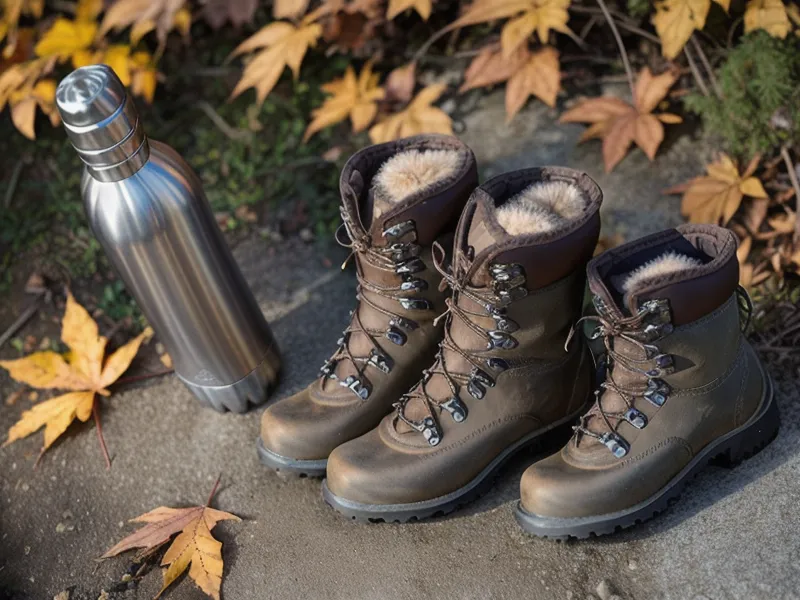
A few things I actually check now, not out of ritual but because skipping them shows up in my knees within a day or two. Trekking poles on anything with real elevation change redistribute enough load off a knee on the way down that the difference is obvious the first time you use them. Mobility and flexibility get treated like the same word, and they aren't — one is about how well a joint moves through its range, the other about how far a muscle stretches, and training the wrong one wastes the effort. The sole grip on a shoe matters less than the cushioning underneath it, which breaks down long before the shoe looks worn from the outside, so I replace mine on a schedule now instead of waiting for visible wear. What I eat in the days before a longer trail outing changes how my knees feel by the weekend, more than I expected it to. And building strength around a joint doesn't need a gym membership — consistent bodyweight work redistributes enough load off the joint itself to matter, no barbell required.
Thinning Cartilage Is Not the Same Problem as Dried-Out Lubrication
Thinning cartilage and dried-out lubrication get talked about like they're the same problem, and they aren't — one is the cushioning material itself wearing thin, the other is the fluid around it losing its slip. I've broken down that difference properly on the page about whether Joint Genesis is the right option for your specific issues, because which one you're actually dealing with changes what's worth trying first.
A reader named Elaine Brosnan, who writes in from western Massachusetts now and then, pushed back on this distinction once — she wasn't convinced it changed anything practical. It does, though: if what's actually happening is a fluid problem, throwing exercises at cartilage that isn't the source won't fix the mechanism, and if it's genuinely thinning cartilage, no amount of extra lubrication solves that on its own. Knowing which one you're dealing with changes what's worth trying first.
Still Active Aging, Just Recalibrated
Running is not off the table forever, and walking is not a consolation prize; they're different tools for different days, and after fifty the smart move is picking based on what a given trail and a given joint can actually absorb, not on which one feels more impressive at the trailhead. Some days at Moose Hill Wildlife Sanctuary I still pick up the pace on the flat stretches. Most days I don't, and the summit looks exactly the same either way.
If you want to see whether a little extra lubrication changes any of this for you, Joint Genesis is the one piece of my routine I'd point to first — not as a fix, just as the thing that's stayed consistent while everything else, shoes, trails, the weather, keeps changing. Bring poles on the downhills, check your shoes on a schedule instead of a feeling, and don't let a grinding knee talk you into the couch before you've ruled out the boring, fixable stuff first.